Siddhartha Gautama Buddha
614 – 532 B.C., current-day Nepal
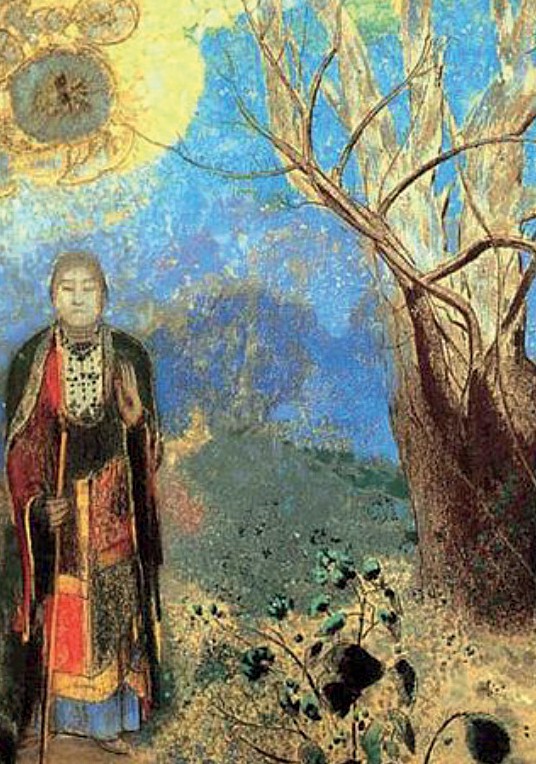
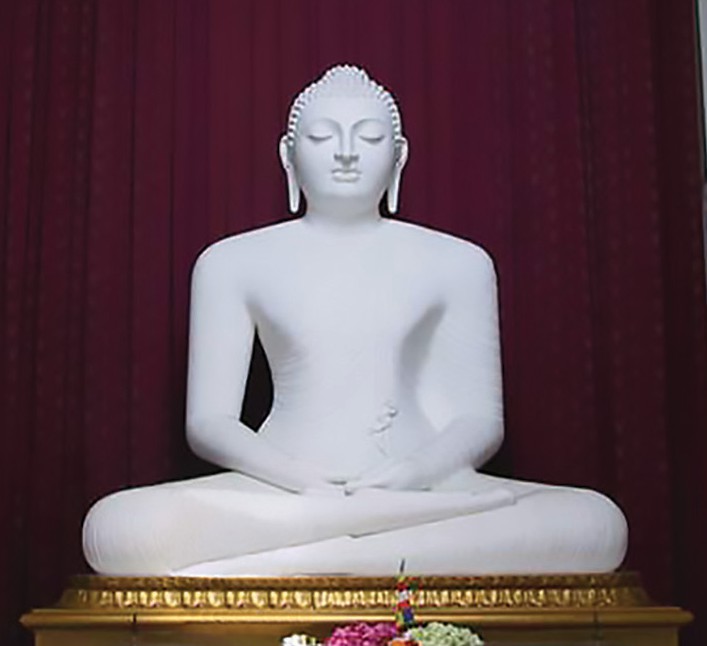
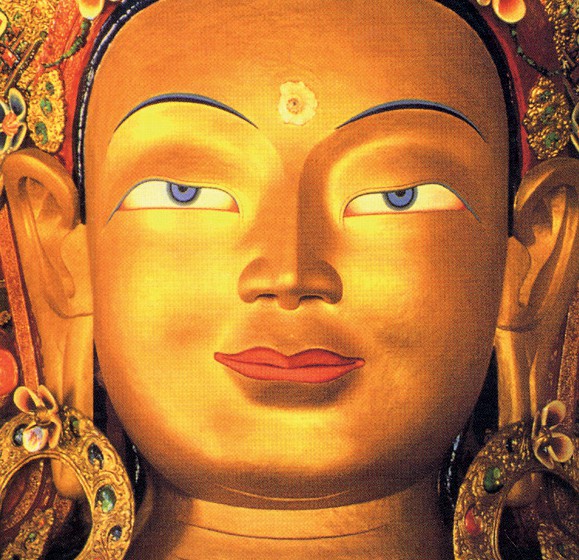
Siddhartha Gautama Buddha, the “Awakened One”, the “World Teacher”, the founder of the world religion known as Buddhism, was one of the most famous incarnated masters in the history of Planet Earth. He was born in 614 B.C. in the region of the current-day Nepal, as the son of a ruler of the Shakya dynasty known as Suddhodana. In the view of some approaches, the Buddha is a spiritual quality, the level of the fully enlightened man. According to tradition, Buddha was conceived immaculately and they foretold that he would be the king of the world or an enlightened guru, who would educate the whole world. His mother, Maya Devi, gave birth to her son in the grove of Lumbini, amongst miraculous circumstances. The child proclaimed to the world immediately after his birth that he came to show people the mystery of enlightenment. His body displayed all the 32 signs of great spirituality. His father intended to rear the boy as a king of the world and thus he kept him out of reach from all evil. Once Siddhartha came of age, he married a beautiful young woman, who gave birth to his son, Rahula, who later became one of his eminent disciples. However, he renounced all forms of luxury and comfort following the birth of his child and cut his hair, exchanged clothes with a beggar and ran away from home. In Kathmandu he vowed never to rest until he attained enlightenment. He then began a lengthy period of asceticism and he lost so much weight that his ribs could be counted with the naked eye, whilst his skin first turned green and then black – however, not even this extreme asceticism brought the desired outcome. Thus Siddhartha realized the true meaning of the “Middle Way”; he gave up his self-laceration and after physically reinforcing himself, he attained enlightenment under a pipal tree at 35 years of life on the 49th day of his meditation. All of this took place in Uruvela, the current-day Bodh Gaya. Due to his enlightenment, his special abilities were activated.
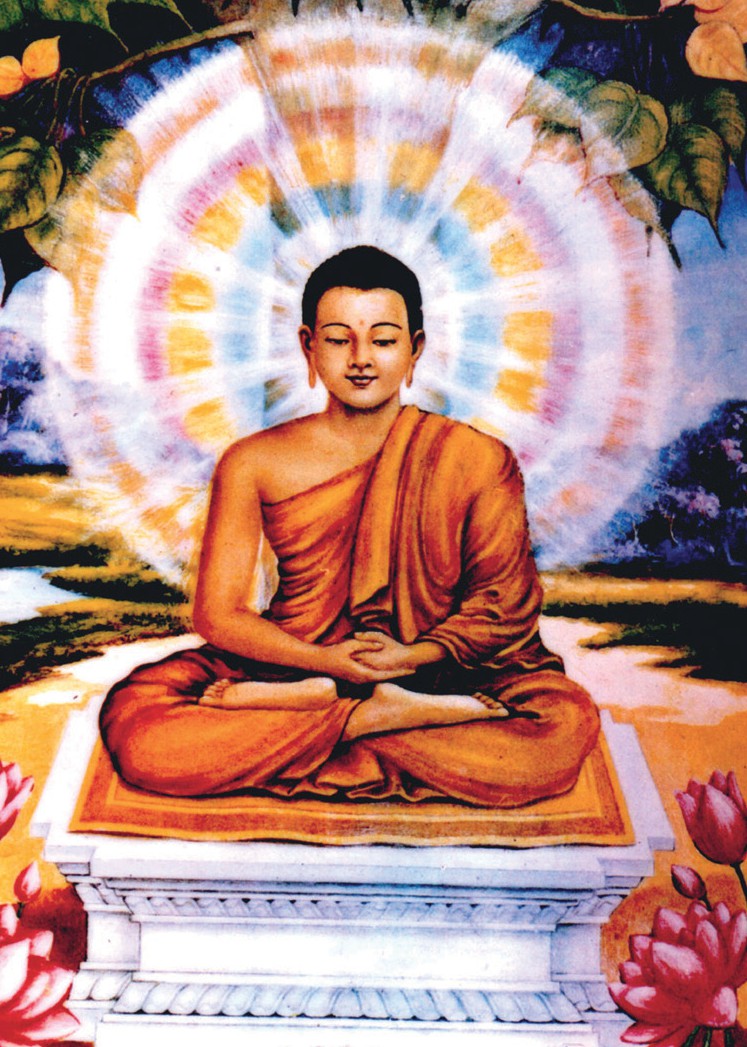
According to the descriptions, he recognized his previous incarnations and their karmic interrelations, as well as visualizing in the form of a single mandala the 37 chambers of the “Palace of the Dharma”, the symbol which allowed him to later expand upon his teachings. Buddha decided to show others the path to enlightenment and thus he began teaching. He gave his first famous sermon in Benares – this is known as setting in motion the wheel of Dharma. In this speech, he proclaimed his teachings of the Four Noble Truths and the Noble Eightfold Way, as well as his tenets of the Middle Way. Buddha explained his teachings (the Dharma) – which were systematized by his later followers – in 3 stages: he taught of the Hinayana (“Inferior Vehicle”) Buddhism for the first 7 years, followed by the teachings of the Mahayana (“Great Vehicle”) Buddhism for the next 10 years before be began teaching of Vajrayana (“Diamond Vehicle”) Buddhism at age 52 for a period of 13 years. In the meantime, he was surrounded by a veritable spiritual fever and he gained many followers. He had 12 thousand devotees at the time of his death, of which he exalted ten of his closest disciples.
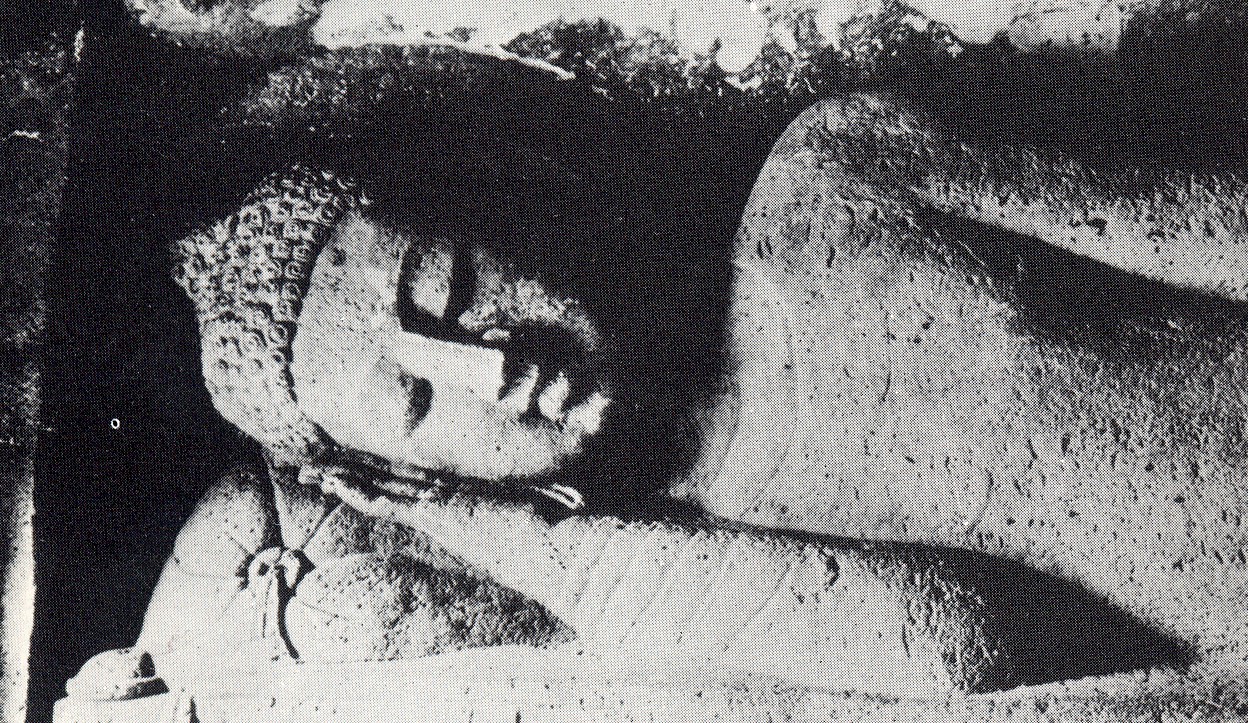
He departed Earth in 532 B.C., which according to tradition was the same calendar day on which he was born. He announced the precise day of his departure one month prior to his death. He fully preserved his consciousness at the moment of his death (which was caused by mushroom poisoning). The first Buddhist Council was convened 90 days after his death, where they began collecting the tales of Buddha’s life and teachings, for example, the Tripitakas, the collection of speeches and regulations. Mahakasyapa was chosen as the first patriarch and leader of the Buddhist Church, and he directed the Sangha, the community of disciples. Buddha’s teachings spread throughout the world after his death and thus Buddhism grew into a true world religion. Countless Buddhist schools and communities were formed, first in the eastern and later in the western countries.
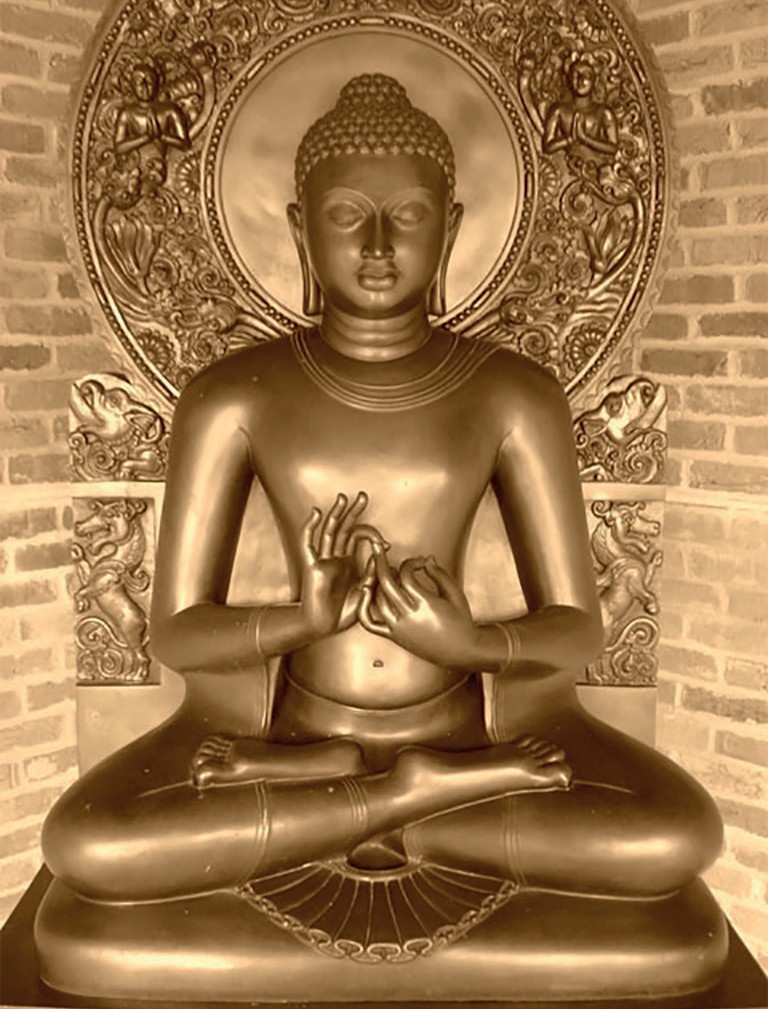
“Behold, O monks, this is my advice to you. All component things in the world are changeable. They are not lasting. Work hard to gain your own salvation.”
(Siddhartha Gautama Buddha’s final words)
“Now this, monks, is the noble truth of the cause of pain: the craving, which leads to rebirth, combined with pleasure and lust, finding pleasure here and there, namely the craving for passion, the craving for existence, and the craving for non-existence.”
(Setting in Motion the Wheel of Law – excerpt from Buddha’s first sermon)
“A man who wishes to become my disciple must be willing to give up all direct relations with his family, the social life of the world and all dependence upon wealth. A man who has given up all such relations for the sake of the Dharma and has no abiding place for either his body or mind has become my disciple and is to be called a homeless brother. Though his feet leave their imprints in my footsteps and his hands carry my garment, if his mind is disturbed by greed, he is far from me. Though he dresses like a monk, if he does not accept the teaching, he does not see me. But if he has removed all greed and his mind is pure and peaceful, he is very close to me though he be thousands of miles away. If he receives the Dharma, he see me in it.”
(excerpt from the work entitled The Life and Teaching of Buddha)