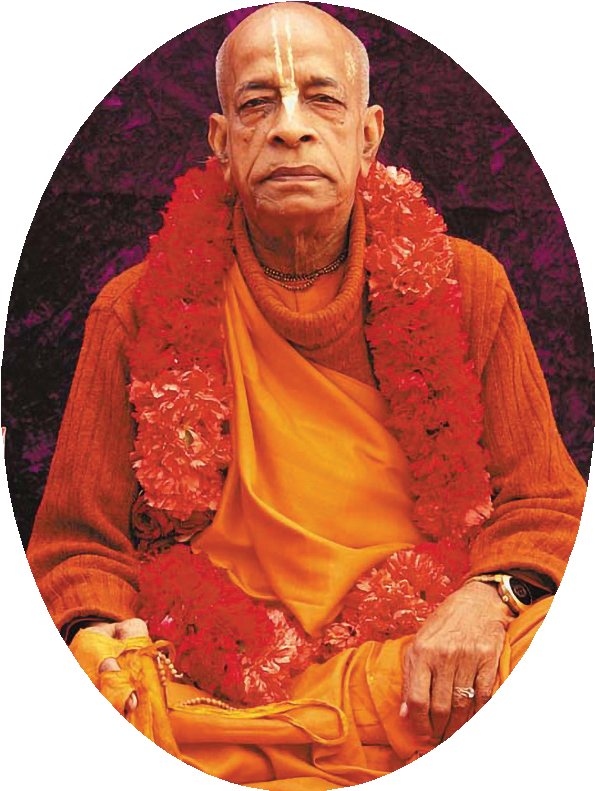
Swami Prabhupada
1896–1977, India
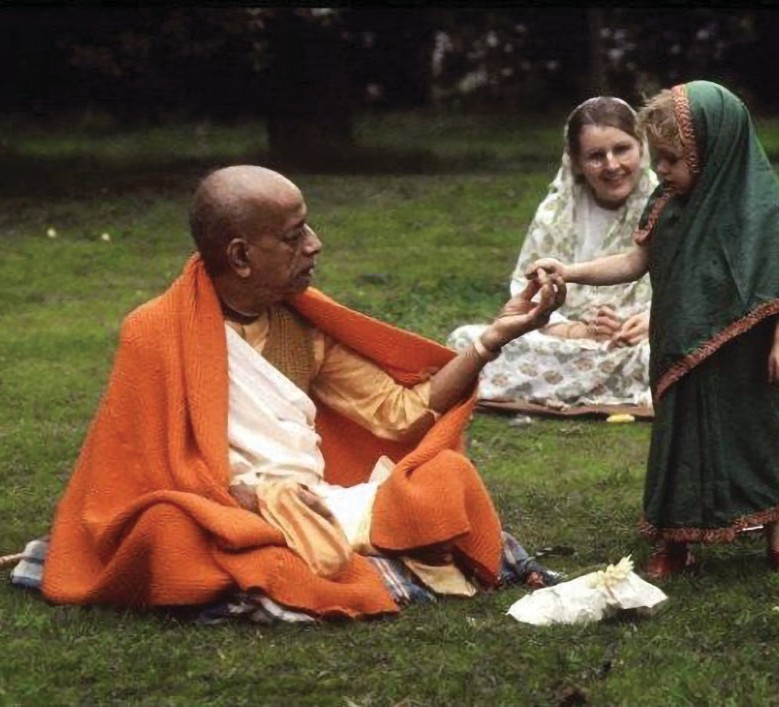
Abhay Charanaravinda, more commonly known as Bhaktivedanta Swami Prabhupada, founder of the International Society for Krishna Consciousness, great scholar of the Vedic tradition, teacher of a chain of disciples that originated from Krishna and later became known to the world as Srila Prabhupada, was born on 1 September 1896 in Calcutta in a family of Krishna followers. Since the very beginning, his father ensured that his son received not only a worldly education, but also proper spiritual training. Prabhupada graduated in 1920 with a degree in English, philosophy and economics, yet courageously refused to accept his degree, citing Gandhi’s independence movement objectives.
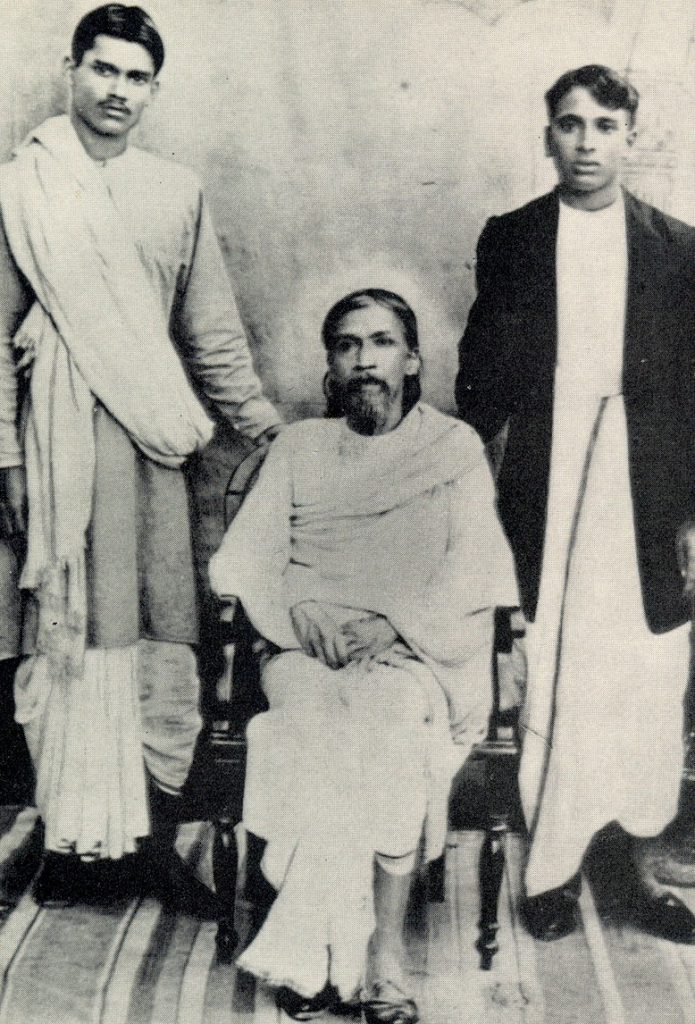
In 1922, he met his spiritual master, Srila Bhaktisiddhanta Sarasvati who, recognizing his disciple’s special qualities, asked him to spread the Vedic knowledge in the Western world. From this point, Prabhupada consciously prepared to fulfil his mission. In his search for Vaishnava’s legacy, he understood the message of Sri Chaitanya Mahaprabhu (who is credited with Krishna’s appearance on earth 500 years ago) and came to the realization that chanting the Hare Krishna mantra preached by the Sankirtana movement could bring true spiritual happiness and liberation to the people of our time. This inspired him to translate and annotate the best-known chapter of the Mahabharata, the Bhagavad-Gita, or “The Sublime Sutta”, containing Krishna’s teachings, and to launch a journal, “Back to Godhead”, which is still published today, initially typing and editing it himself.
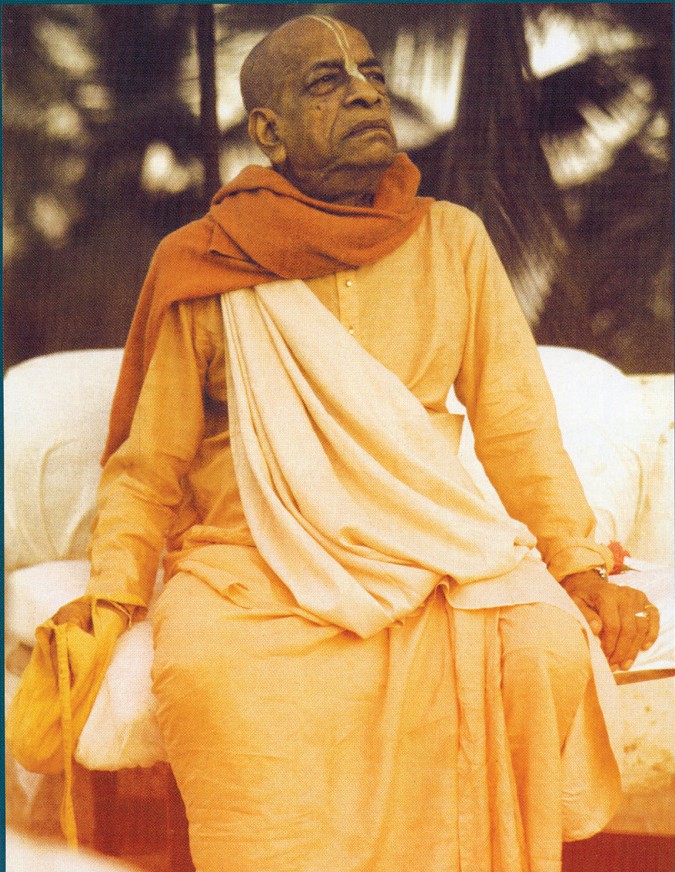
In 1950, in keeping with Indian tradition, he entered the Sannyasa order, renouncing the pleasures of worldly life, and moved to Vrindavana, where, according to Vedic tradition, Krishna, the Supreme Personality of Godhead was incarnated and gave teachings for five thousand years. It was in the atmosphere of this holy place that he set about translating and expounding on the ten volumes of the Bhagavata Purana, the 18,000 verses of the Srimad Bhagavatam. He was sixty-nine years old when, in response to an earlier request from his spiritual master, he embarked on a missionary journey and crossed the ocean on a freighter to provide a cure for the spiritual crisis of the Western people.
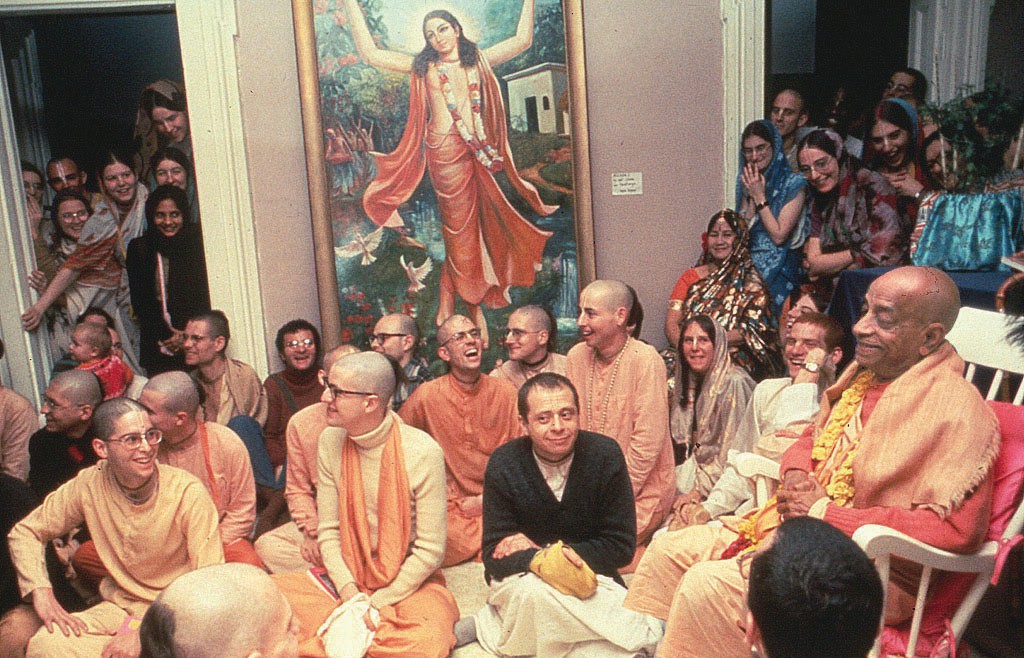
After an arduous journey spent in poor health, he arrived in New York in 1965, alone and with virtually no money or contacts. Yet his striking traditional dress, simple lifestyle and wisdom soon attracted the interest of the youth thirsting for spiritual knowledge. He revealed to them the transcendental effects of chanting the world-famous Hare Krishna mantra, which invokes the energy of divine love. He also gave lectures, established communities and opened his first temple in 1966. He then founded ISKCON, the International Society for Krishna Consciousness, which he directed for more than ten years, until the end of his life. The organisation now has more than three hundred temples on five continents, numerous farm communities, schools and charitable institutions, which, in addition to spiritual nourishment, also help disadvantaged people through the regular distribution of food.
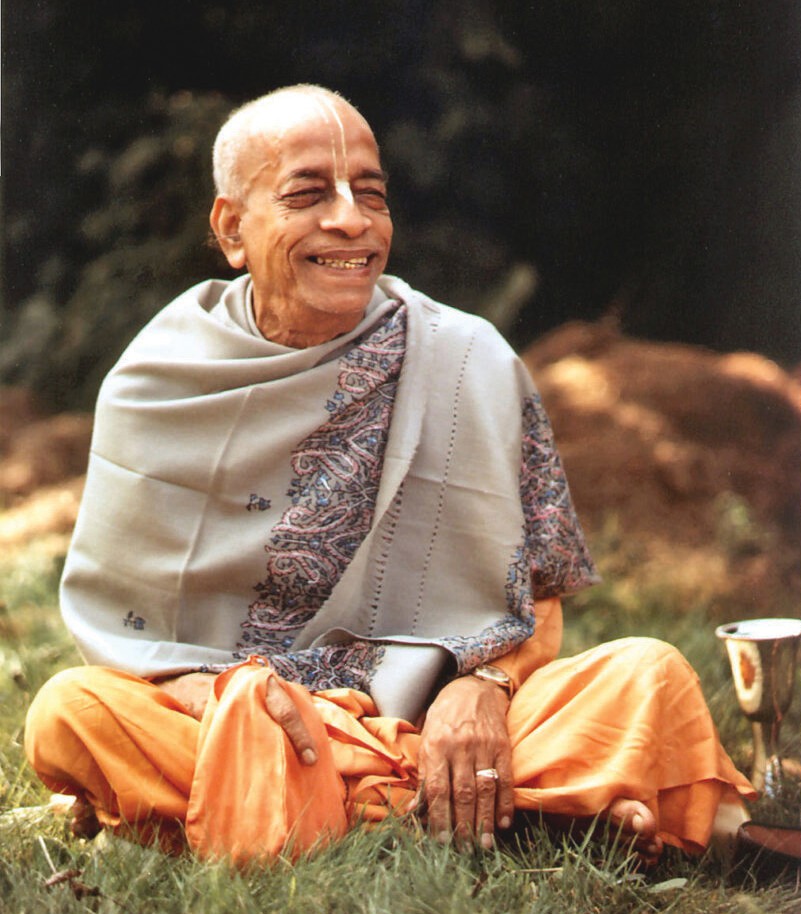
Prabhupada, who some thought would not even survive his first overseas journey to Chicago, travelled around the world fourteen times and initiated thousands of disciples before his death on 14 November 1977. While spreading the Vedic teachings worldwide, he established 108 temples and numerous subsistence farms where devotees live according to the principle of “simple living, high thinking” taught by their master, as an example of Vedic culture. Prabhupada dazzled academic and literary circles worldwide by writing and publishing 52 books on ancient Vedic culture between October 1968 and November 1975. On numerous occasions, he stressed to his disciples: “Share the books!” Now published in seventy-five languages, his works are used as textbooks by many universities and colleges. The Bhaktivedanta Book Trust, which he established, has become the world’s largest publisher of books on Indian religion and philosophy, and its publications are distributed all over the world, fulfilling Sri Chaitanya Mahaprabhu’s prophecy that the time will come when the Hare Krishna mantra will be chanted in every village and city on Earth.
“Although one may conquer all of the other senses, as long as the tongue is not conquered it cannot be said that one has controlled his senses.”
“…Material sense pleasures are due to the contact of the material senses, which are all temporary because the body itself is temporary. A liberated soul is not interested in anything which is temporary. Knowing well the joys of transcendental pleasures, how can a liberated soul agree to enjoy false pleasure?? […] If one wants to make steady progress on the path of self-realization, he must try to control the forces of the material senses.”
(excerpt from the commentary to the Bhagavad Gita, translated by Prabhupada)
“There is no question of killing desire, for desire is the constant companion of the living entity. Krishna consciousness is the process by which one purifies his desires; instead of desiring so many things for sense gratification, one simply desires things for the service of Krishna.”
“The greatest ignorance consists of activities, whether religious or irreligious, that are opposed to devotional service. They are to be known as sins.”
(Sri Caitanya-caritamrta Chapter 3 verse 61, translated by Prabhupada)