The Dalai Lamas
Tibet
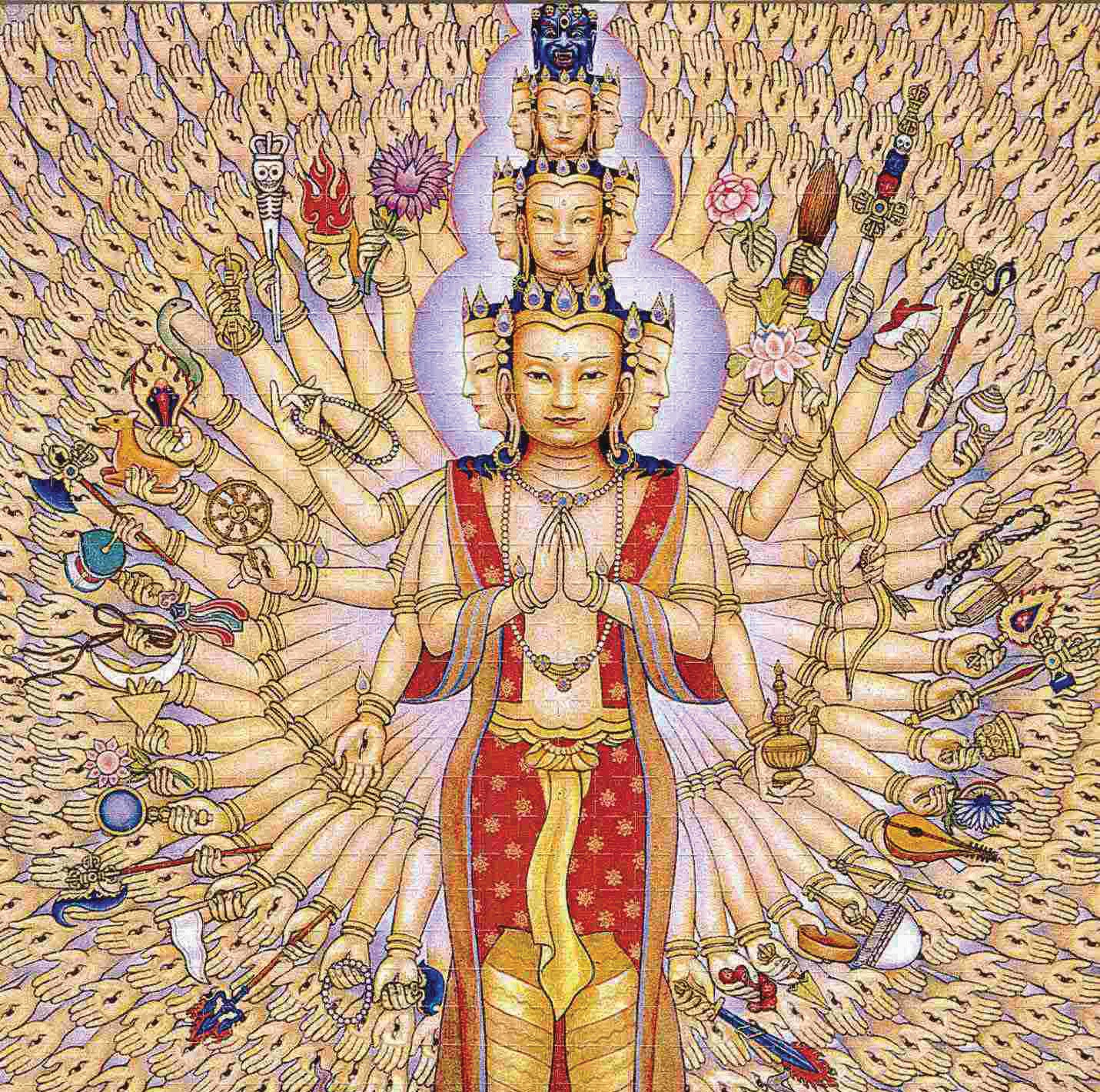
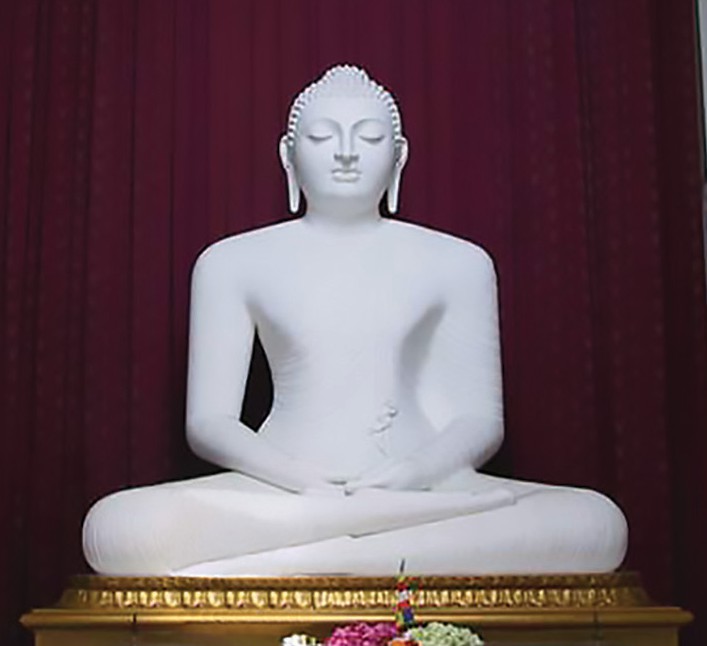
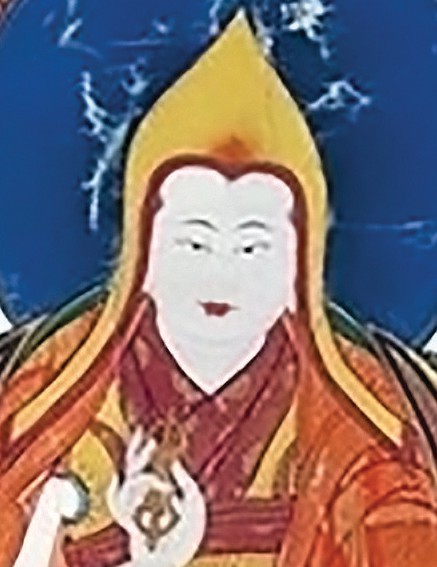
The Dalai Lamas are the spiritual leaders of Tibet as well as their greatest religious dignitaries, who are regarded as the manifestations of the “Bodhisattva of compassion” and who are also known as the “king of the spreading Buddhism”. The Dalai Lamas have been fulfilling this spiritual office for 14 generations, which is the most important religious position on Earth. The designation of the Dalai Lama refers to the ceaseless consciousness of the “Buddha of compassion”, but also signifies a religious office. They are regarded as the manifestations of Avalokitesvara (Chenrezig in Tibetan), “the Buddha of compassion”, who is also known as Kvannon or Kuan Yin. Chenrezig, who is depicted sitting in a traditional meditative pose – sitting or standing – is the most important Buddha of Tibet. The Tibetan children are often capable of voicing the sentence of blessing (Om mani padme hum) before their mother’s name. According to a Tibetan tale, there were one thousand princes who took a vow a long time ago to achieve the state of Buddha. Chenrezig succeeded in this, however, he vowed not to achieved the state of Buddha until his other 999 companions become Buddha as well. He vowed to assist them as a Bodhisattva, and he also compassionately vowed not to leave the Earth until all sentient beings are capable are freed from the imprisonment of illusions. The spiritual line of the Dalai Lama is derived from him, which is symbolically referred to as the “fourteen rays on the lake of visions”.
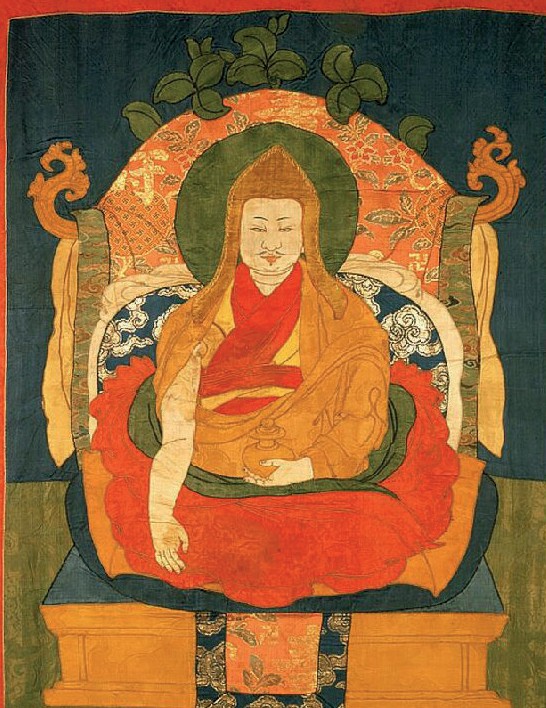
The first and most significant of the line was Gendun Drup (1391–1475), who was a saint, a master, a teacher, the interpreter of sacred texts, a poet and a founder of a monastery. Thanks to his great will, the Buddhist teachings conveyed by Padmasambhava spread throughout Tibet. There are so many special signs that indicate his holiness derived from God that even without the examinations used on the tulku, he was regarded as a saint by everyone. His life – similarly to the lives of the Dalai Lamas and other Tibetan masters – were interlaced with miraculous events. The visions the came to life, the miraculous prophecies, the practical attitude and the rendering of religion to actions all culminated to a religious change that helped the rapid spread of one of the most significant religious initiatives on Earth. Gendun Drup was a disciple of the well-known religious reformer Tsongkhapa before becoming the head of the Tibetan Buddhist order, the Geluk, that was founded by his master. The head of this Buddhist order (one of the 4 main Tibetan schools) was henceforth always known as the Dalai Lama, who was also an abbot of the highly respected Drepung monastery. Gendun Drup established one of the most significant monasteries in Tibet, the abbacy of Tasilhunpoi. He interpreted and taught the Buddhist holy scriptures, and also provided for their dissemination. A great sense of peace spread throughout the region for 13 days after his death. According to the sources, the wind didn’t stir and the silence wasn’t interrupted even by birdsong, whilst not even a single cloud appeared on the dazzling blue skies.
From the beginning, the Dalai Lamas gradually became the religious and also political leaders of Tibet. Gyalva Sonam Gyatso (1543–1588), the third Dalai Lama officially founded the office of the Dalai Lama, whilst “the Great Fifth”, Ngawang Lobsang Gyatso (1617–1682) unified the worldly and spiritual power. The centralized Tibetan state was established, which is one of the spiritual centers of the world. The Dalai Lamas always cooperated with the Panchen Lamas and were closely spiritually attached to them. The Dalai Lama is still regarded as the spiritual leader of the Tibetan state. Unfortunately, following the Chinese occupation of Tibet, the 14th Dalai Lama was forced to flee the country. He lives in exile to this very day, yet he nevertheless always remained active and continues to spread the Buddhist message of the Lama’s enlightenment and reconciliation.
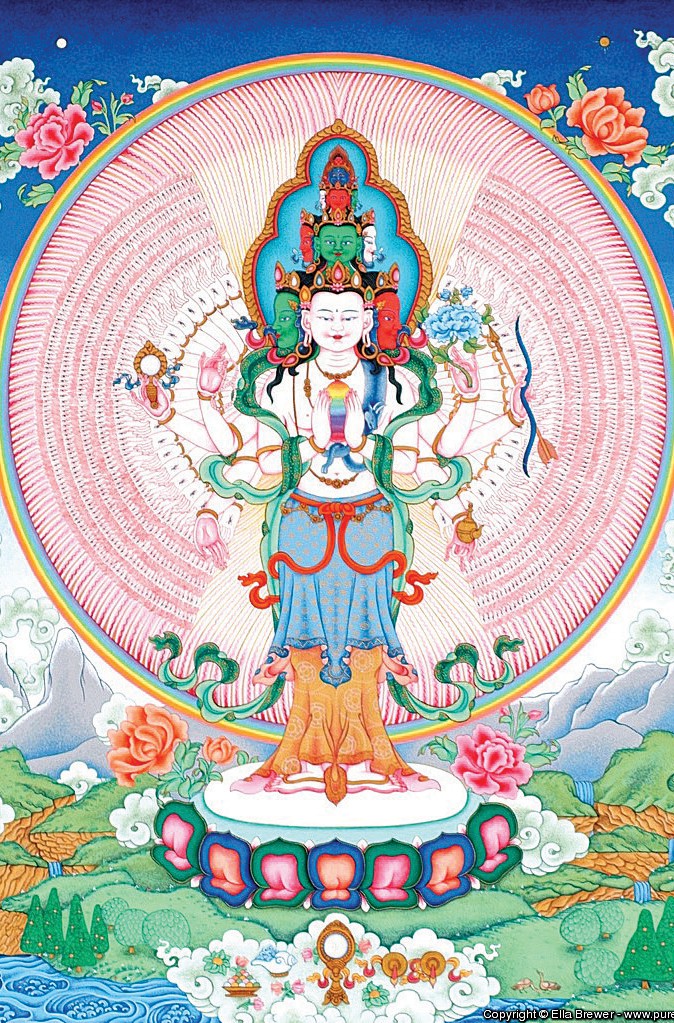
“I vow never to attain the state of Buddha until all beings attain enlightenment!”
(excerpt from Chenrezig’s oath)
“If one is led by compassion and goodwill, it automatically opens a door within them. This allows them to easily communicate with other people. This warmness creates a kind of openness. One suddenly realizes that every human being is basically the same as them and thus it becomes easier for them to establish a relationship.”
(excerpt from the 14th Dalai Lama’s work entitled The Art of Happiness)
“I sincerely believe that compassion is the foundation for one’s existence. This is the real value of human existence, without which something is missing from human life. The deep empathy for the other person’s feelings is an integral part of love and compassion and if these are missing, I believe that the person in question must have problems in the relationship with his wife. If this person is truly indifferent towards others suffering and feelings, they can be a millionaire or they can have the best university education or perhaps he don’t have problems with his family or children and he might be surrounded by friends or other rich businessmen, politicians of heads of state, yet all of these positive traits will remain on the surface.”
(excerpt from the 14th Dalai Lama’s work entitled The Art of Happiness)