Zoroaster
around 628 B.C. – 551 B.C., current-day Iran
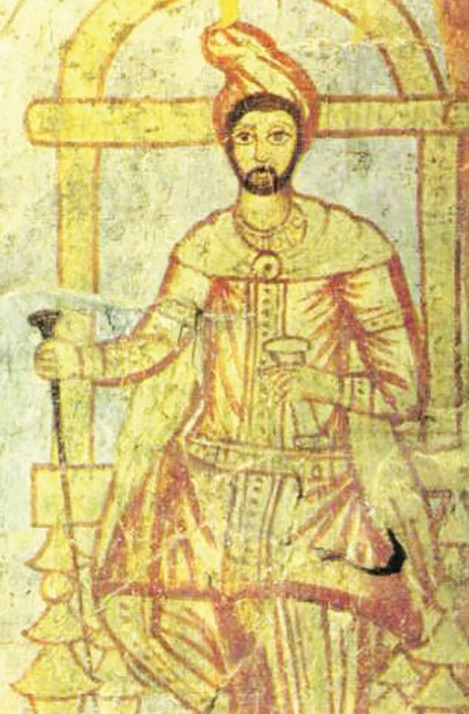
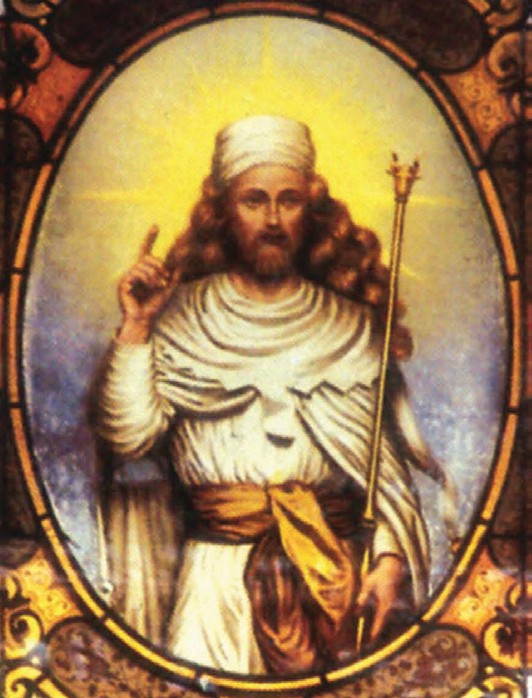
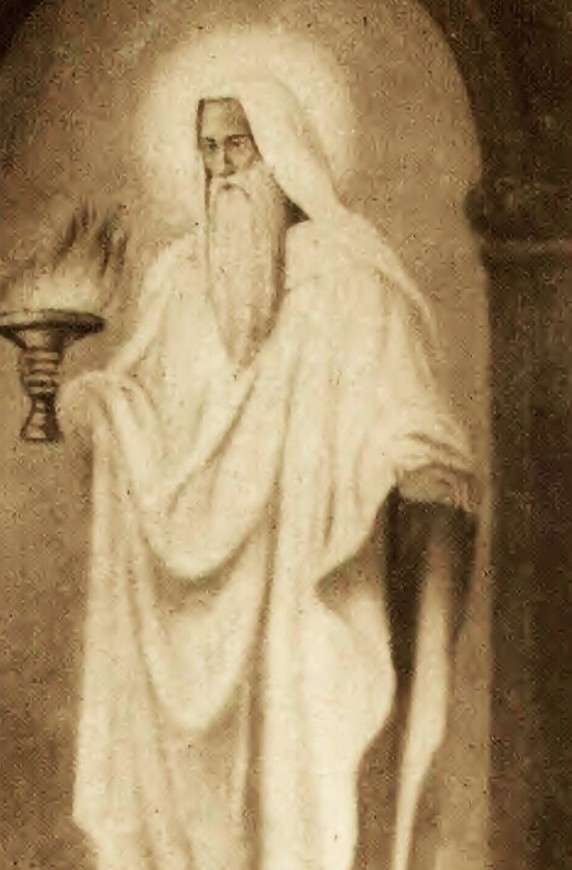
Zoroaster, or Zarathustra was the founder of the Persian Zoroastrian religion (or Parsi religion in India) and is considered to be one of the founders of the current western culture. He was most likely born in the 7th century before Christ in Persia, in the region of the current-day Iran. There are many contradicting pieces of information on his birth and life. One of the reasons for this is that the name Zarathustra is a name of initiation, denoting a specific spiritual level. On the other hand, the spiritual being known as Zarathustra is thought to have incarnated on Earth on many occasions and according to some traditions, all these manifestations were given the same name. He is also referred to as Master Jesus, who mustn’t be confused with the founder of Christianity, Jesus Christ. According to tradition, the name Zarathustra means “golden star” or “golden light”. As the founder of a religion, he created a monotheist system based on duality and established teachings which influenced the development of the entire western culture. He is known as one of the special human beings who were conceived immaculately. Even at nine years of age, he embarrassed the head priest of his home town with his wise remarks. Although he spent most of his youth in nature, he was charged with a cryptic sort of wisdom.
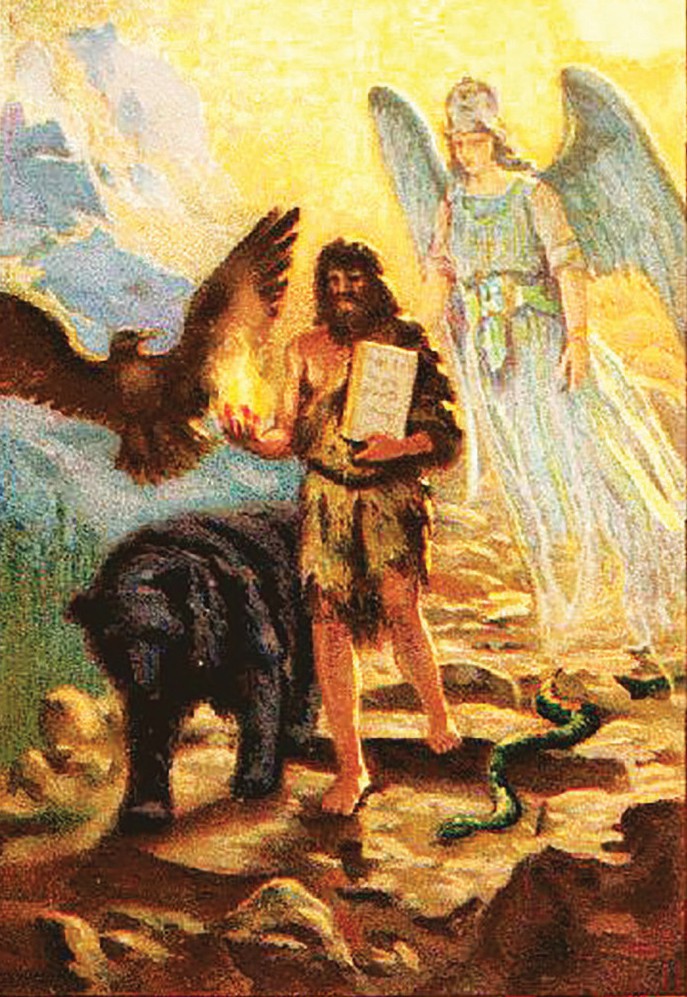
He left his home at ten and began wandering in search of God. He visited Persia, India and the surrounding regions. After many years of wandering, he married a woman named Hvovi, who gave birth to his six children. He had an enlightenment-like spiritual experience at thirty years of age, during which he underwent a great change. According to the descriptions, a being known as Vohuman appeared to him, admitting him to Ahura Mazda’s realm of light. After this experience, he began teaching in order to pass on his experiences to the people around him. At first he only had a handful of followers, but as soon as he won over King Vistaspa, Zoroastrianism began spreading rapidly. One of his disciples even brought his teachings to India, where they established the Parsi religion. His universal encyclopedia, the Zend Avesta (avesta: “law of nature” or “law of cause and effect”) is full of monumental poetic images and analogies, which summarized the knowledge of the time with a new kind of wisdom. The work focuses on the preservation of health, the science of living in harmony with nature, organic gardening, astronomy, philosophy and a number of other important subjects. The Zend Avesta serves as the foundation for the Zoroastrian religion and philosophy.
Zarathustra used pictograms – special symbols – to convey his teachings, which mirrored the language of nature and explained its laws far more expressively than words. Beautiful poetic images were created once these pictograms were transformed into words, which led to the birth of the five volumes of the Avesta that are known in our age. Zarathustra is regarded as the master of a pure life and diet. His ten commandments begin with the following: “Govern thyself and keep your power in check!” His system of thought is based on the struggle of two forces, good and evil, Ormuzd and Ahriman, yet according to his teachings, these both have a shared ancestor: Zurvan Akarana, who created the universe from nothingness. Zarathustra also spoke of the Savior, and according to some opinions, he was the source of the knowledge passed from fathers to sons, according to which the initiated mage-priests awaited the arrival of the Savior. He referred to himself as God’s humble messenger until his death at seventy-seven years of age. His teachings were carried on by the priests of the Zoroastrian and Parsi religions, and some of his tenets passed on to other religions as well. Thanks to his followers, the pure way of life and diet, as well as the art of living in harmony with the cosmic order spread throughout the world.
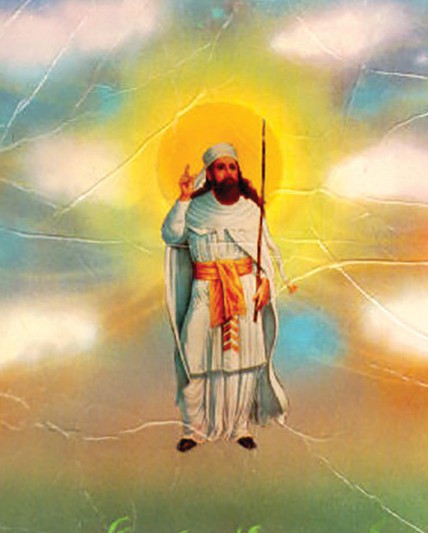
“I raise my hands for prayer in awe and holy zeal, oh God! Yet still, still the whiff of your holy spirit should wholly fill my being with sane thoughts and truthful feelings, oh Eternal Truth, so I and your loyal, earthly children should be good.”
(excerpt from one of the remaining books of the Zend Avesta)
“Yours was the power, O Ahura Mazda, when you set a path for us and for all. This tenet is the first law which should guide our actions. The most helpful and vigorous is he who serves you with all his might, observing and upholding Your cosmic order through the act of good deeds.”
“We follow the paths of the Stars, The Moon, the Sun and the endless Light, Moving around in their revolving circle forever. And Truthfulness in Thought, Word and Deed Will place the Soul of the faithful one In the endless light of Eternal Life.”
(excerpts from the Zend Avesta)